In the realm of enterprise businesses, the realm of AI Cybersecurity Solutions emerges as a critical shield against digital threats. This passage invites readers into a world where cutting-edge technology meets the paramount need for data security, promising a journey that is both enlightening and practical.
The second paragraph offers a detailed exploration of the topic, shedding light on the significance of AI in safeguarding sensitive information within corporate landscapes.
Overview of AI Cybersecurity Solutions
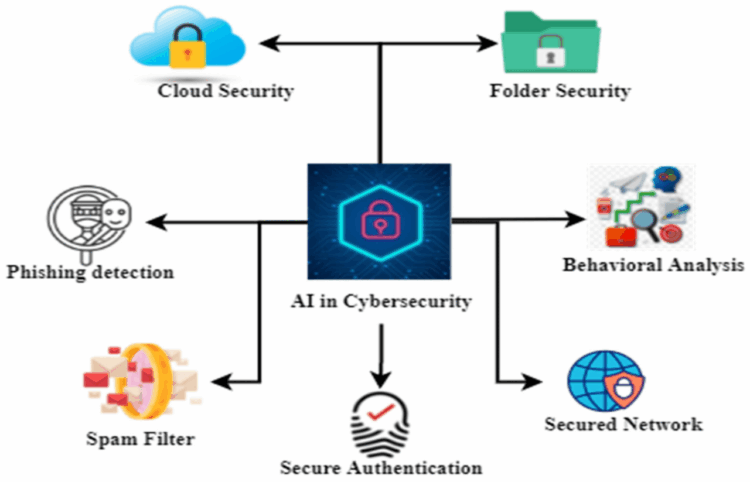
AI cybersecurity solutions play a crucial role in protecting enterprise businesses from cyber threats by utilizing artificial intelligence to enhance security measures.
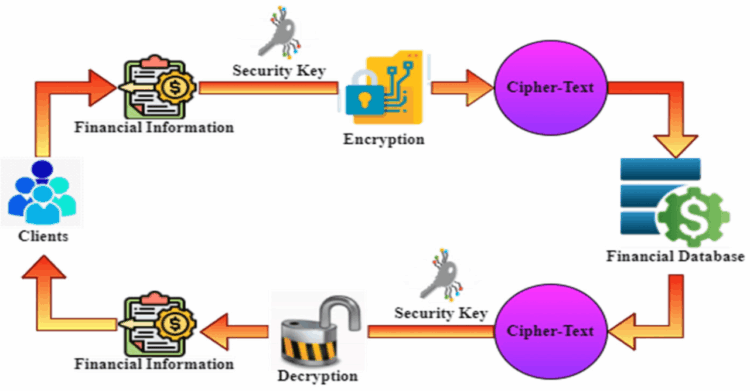
Implementing AI cybersecurity solutions is essential for safeguarding sensitive data and preventing unauthorized access to confidential information.
Examples of AI in Cybersecurity:
- AI-powered threat detection systems analyze patterns and anomalies in network traffic to identify potential security breaches.
- Machine learning algorithms are used to predict and prevent cyber attacks by learning from past incidents and adapting to new threats.
- AI-driven security tools can automate incident response processes, allowing for quick and effective mitigation of cyber threats.
Benefits of AI Cybersecurity Solutions for Enterprise Businesses
AI cybersecurity solutions offer a wide range of benefits for enterprise businesses, providing advanced protection against cyber threats and improving overall security posture. Let's explore some key advantages of using AI in cybersecurity for enterprise organizations.Enhanced Threat Detection and Prevention
AI-powered cybersecurity solutions leverage machine learning algorithms to analyze vast amounts of data in real-time, enabling organizations to detect and respond to threats quickly. By continuously learning from new information and patterns, AI systems can identify and prevent sophisticated cyber attacks more effectively than traditional methods.Improved Incident Response Time
AI-driven cybersecurity tools can automate incident response processes, reducing the time it takes to detect and mitigate security incidents. This rapid response capability is crucial for minimizing the impact of cyber threats and preventing data breaches in enterprise environments.Cost-Efficiency and Scalability
AI cybersecurity solutions can help organizations optimize their security operations by automating routine tasks and reducing the need for manual intervention. This not only increases operational efficiency but also allows businesses to scale their security capabilities as needed without significant overhead costs.Case Studies and Success Stories
Companies like IBM, Cisco, and Palo Alto Networks have successfully implemented AI cybersecurity solutions to enhance their security posture and protect against evolving cyber threats. For example, IBM's Watson for Cyber Security uses AI to analyze security data and identify potential threats, helping organizations proactively defend against attacks.Conclusion
Overall, the adoption of AI cybersecurity solutions presents significant advantages for enterprise businesses, offering advanced threat detection, improved incident response, cost-efficiency, and scalability. By leveraging AI technologies, organizations can strengthen their security defenses and stay ahead of cyber adversaries in an increasingly complex threat landscape.Implementation of AI Cybersecurity Solutions
Implementing AI cybersecurity solutions within an enterprise involves several key steps to ensure a successful integration and effective protection against cyber threats.
Steps for Implementing AI Cybersecurity Solutions
- Assess Current Security Infrastructure: Conduct a thorough evaluation of existing security measures and identify areas where AI can enhance protection.
- Define Objectives and Use Cases: Clearly Artikel the specific goals and scenarios where AI will be implemented to address cybersecurity challenges.
- Choose the Right AI Tools: Select AI technologies and platforms that align with the organization's needs and capabilities.
- Integrate AI into Security Operations: Seamlessly incorporate AI solutions into existing security systems and processes for optimal performance.
- Train Staff and Monitor Performance: Provide training to employees on using AI tools effectively and continuously monitor the performance of AI algorithms.
Challenges and Considerations in Integrating AI into Cybersecurity Strategies
- Data Privacy and Compliance: Ensure that AI solutions comply with data privacy regulations and do not compromise sensitive information.
- Integration Complexity: Address the complexity of integrating AI into existing security frameworks without causing disruptions or vulnerabilities.
- Threat Detection Accuracy: Verify the accuracy of AI algorithms in detecting and mitigating cyber threats to avoid false positives or negatives.
- Resource Allocation: Allocate sufficient resources for implementing and maintaining AI cybersecurity solutions to maximize their effectiveness.
Best Practices for Deploying and Managing AI Cybersecurity Solutions
- Regular Updates and Maintenance: Stay updated with the latest AI advancements and security trends to enhance the effectiveness of AI solutions.
- Collaboration and Knowledge Sharing: Foster collaboration among cybersecurity teams and share knowledge on AI technologies to improve overall security posture.
- Continuous Monitoring and Evaluation: Implement monitoring mechanisms to track the performance of AI algorithms and identify areas for improvement.
- Incident Response Planning: Develop a comprehensive incident response plan that integrates AI tools to effectively respond to cybersecurity incidents.
Current Trends in AI Cybersecurity Solutions
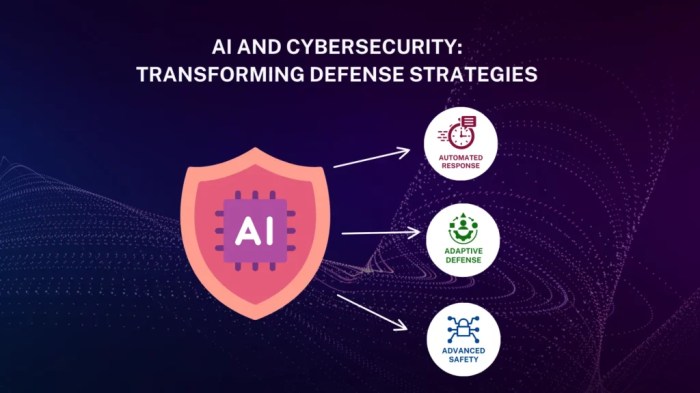
As technology evolves, the field of AI cybersecurity is constantly adapting to new threats and challenges. Let's explore some of the current trends and innovations that are shaping the landscape of AI cybersecurity solutions for enterprise businesses.
Machine Learning in Cybersecurity
Machine learning is playing a crucial role in enhancing cybersecurity practices by enabling systems to learn from data and make decisions without human intervention. AI algorithms can analyze vast amounts of data to detect patterns and anomalies that may indicate a cyber threat.
Natural Language Processing (NLP)
Natural Language Processing is another AI technology that is revolutionizing cybersecurity. NLP algorithms can analyze and understand human language, allowing security systems to detect and respond to threats hidden in text-based communications such as emails and chat messages.
Zero Trust Security Model
The Zero Trust security model is gaining popularity in the cybersecurity industry. This approach assumes that threats could be both external and internal, and requires strict identity verification for anyone trying to access a network. AI technologies are being used to continuously monitor user behavior and detect any unusual activity that may indicate a security breach.
Summary
Concluding our discussion, AI Cybersecurity Solutions stand as a beacon of innovation and protection in the ever-evolving digital landscape. With businesses increasingly relying on AI to fortify their defenses, the future holds promising advancements in data security and threat mitigation.
Query Resolution
How do AI cybersecurity solutions benefit enterprise businesses?
AI cybersecurity solutions enhance threat detection and response capabilities, offering a proactive approach to safeguarding sensitive data.
What challenges do businesses face when implementing AI cybersecurity solutions?
Businesses often encounter challenges related to data privacy, integration with existing systems, and ensuring the accuracy of AI algorithms.
What are the key trends shaping the future of AI in cybersecurity?
Emerging trends include the integration of machine learning and natural language processing in cybersecurity practices, paving the way for more sophisticated threat mitigation strategies.