Exploring the realm of AI Cybersecurity Solutions for Banks and Fintech Companies, this introduction sets the stage for a captivating exploration of how artificial intelligence is revolutionizing cybersecurity in the financial sector.
As we delve deeper into the intricacies of AI-driven security measures, we uncover the vital role that advanced technology plays in safeguarding sensitive data and thwarting cyber threats.
Overview of AI Cybersecurity Solutions for Banks and Fintech Companies
Cybersecurity is of paramount importance in the banking and fintech sectors to protect sensitive financial data, prevent fraud, and maintain customer trust. With the increasing frequency and sophistication of cyber attacks, institutions must adopt robust cybersecurity measures to safeguard their systems and information.Recent Cyber Threats Faced by Banks and Fintech Companies
- Phishing attacks: Cybercriminals send fraudulent emails or messages to trick individuals into revealing sensitive information like login credentials.
- Ransomware attacks: Malicious software encrypts data and demands a ransom for its release, disrupting operations and causing financial losses.
- Data breaches: Unauthorized access to databases results in the theft of customer information, leading to identity theft and financial fraud.
Role of AI in Enhancing Cybersecurity Measures
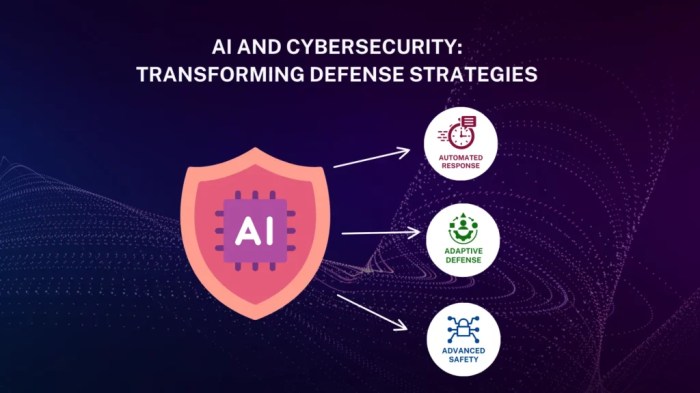
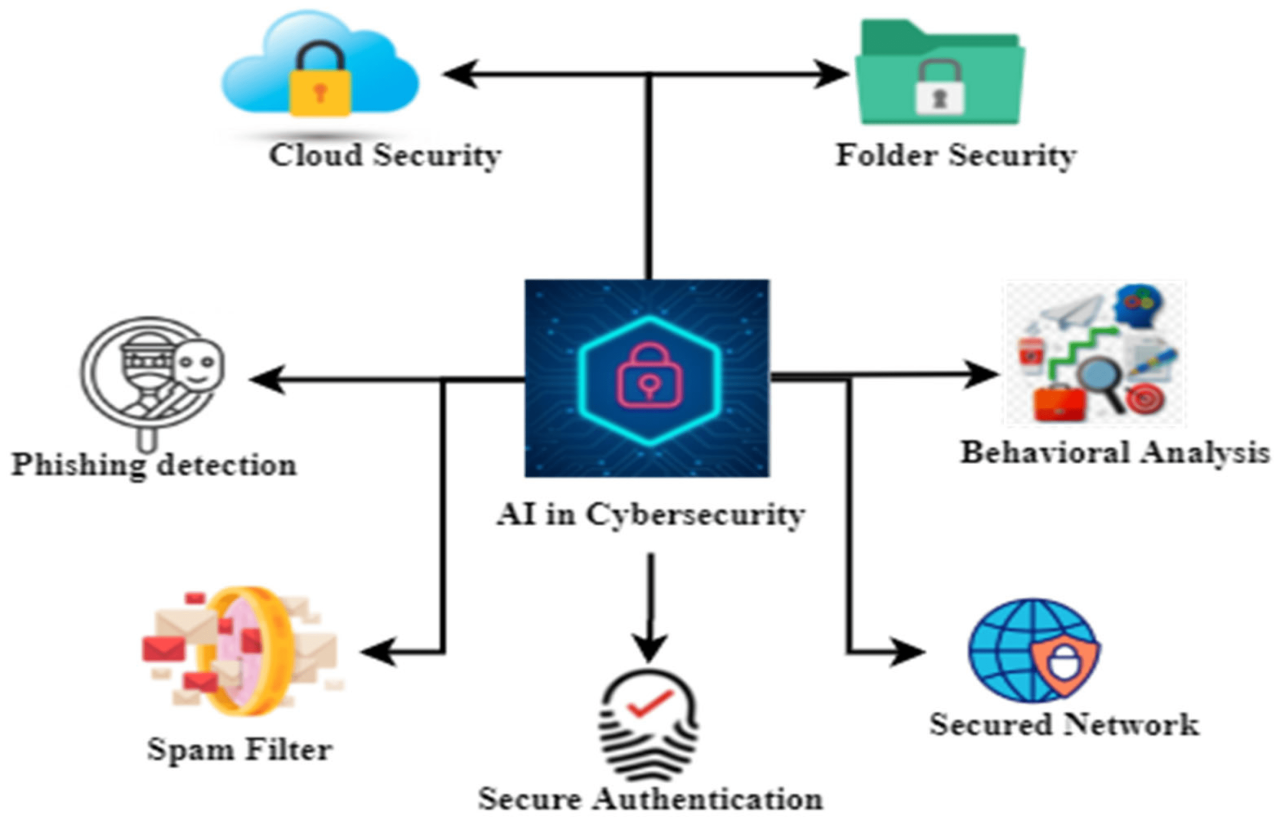
AI plays a crucial role in bolstering cybersecurity for banks and fintech companies by providing advanced threat detection and response capabilities. Machine learning algorithms can analyze vast amounts of data in real-time to identify anomalies, predict potential threats, and automate incident response procedures. AI-powered tools can also enhance fraud detection, improve authentication processes, and strengthen overall security posture in the face of evolving cyber threats.Types of AI Cybersecurity Solutions
AI cybersecurity solutions for banks and fintech companies encompass a variety of technologies that leverage artificial intelligence to protect sensitive data and systems from cyber threats. These solutions utilize advanced algorithms and techniques to detect and prevent security breaches in real-time.Machine Learning Algorithms for Fraud Detection
Machine learning algorithms play a crucial role in cybersecurity for fraud detection by analyzing large volumes of data to identify patterns and anomalies indicative of fraudulent activity. These algorithms can learn from historical data to continuously improve their accuracy in detecting suspicious behavior and flagging potential threats. By leveraging machine learning, banks and fintech companies can enhance their fraud detection capabilities and respond proactively to security incidents.Use of Natural Language Processing (NLP) in Identifying Security Vulnerabilities
Natural Language Processing (NLP) is another AI technology that is used in cybersecurity to identify security vulnerabilities by analyzing and interpreting human language data. NLP algorithms can process unstructured text from various sources, such as emails, chat logs, and social media posts, to detect potential security risks and threats. By identifying key phrases, patterns, and sentiments, NLP helps organizations uncover hidden security vulnerabilities and take appropriate measures to address them before they are exploited by cyber attackers.Implementation of AI Cybersecurity Solutions
Implementing AI cybersecurity solutions for banks and fintech companies involves several key steps to ensure a successful integration. These steps are crucial in enhancing security measures and protecting sensitive data from cyber threats.Key Steps in Implementing AI Cybersecurity Solutions
- Assessment of Current Security Infrastructure: Conduct a thorough assessment of the existing security framework to identify vulnerabilities and areas that need improvement.
- Selection of AI Tools and Technologies: Choose the most suitable AI tools and technologies that align with the specific cybersecurity needs of the organization.
- Integration and Testing: Integrate the selected AI solutions into the existing security systems and conduct rigorous testing to ensure compatibility and effectiveness.
- Training and Education: Provide training to the employees on how to utilize the AI cybersecurity solutions effectively and educate them on the importance of cybersecurity best practices.
- Continuous Monitoring and Updates: Implement a system for continuous monitoring of the AI solutions and ensure regular updates to stay ahead of emerging cyber threats.
Case Study: Successful Integration of AI in Enhancing Cybersecurity
One notable example is JPMorgan Chase, which implemented AI-powered cybersecurity solutions to detect and respond to cyber threats in real-time. By leveraging AI algorithms, JPMorgan Chase was able to enhance its security measures and protect its financial data effectively.
Challenges and Considerations in Deploying AI Solutions
- Data Privacy Concerns: Ensuring the protection of customer data and maintaining compliance with data privacy regulations is a significant challenge when deploying AI solutions in banks and fintech companies.
- Integration Complexity: Integrating AI solutions with existing security systems can be complex and may require significant resources and expertise.
- Cybersecurity Skills Gap: The shortage of cybersecurity professionals with expertise in AI technologies poses a challenge in effectively deploying and managing AI cybersecurity solutions.
- Regulatory Compliance: Adhering to regulatory requirements and ensuring that AI solutions meet industry standards and guidelines is essential for banks and fintech companies.
Benefits of AI Cybersecurity Solutions
 AI cybersecurity solutions offer several key benefits to banks and fintech companies. These benefits include:
Enhanced Threat Detection
AI-driven cybersecurity solutions are capable of analyzing vast amounts of data in real-time to identify potential threats and vulnerabilities. This allows for early detection of cyber threats, minimizing the risk of security breaches.Improved Incident Response
AI systems can automate incident response processes, enabling faster and more effective responses to security incidents. This helps in reducing the impact of cyber attacks and mitigating potential damages.Reduced False Positives
AI technologies can distinguish between genuine security threats and false alarms more accurately than traditional methods. This results in fewer false positives, allowing security teams to focus on genuine threats and vulnerabilities.Adaptive Security Measures
AI cybersecurity solutions can adapt to evolving threats and learn from past incidents to enhance security measures continuously. This adaptive approach ensures that banks and fintech companies stay ahead of cyber threats and maintain robust security defenses.Cost-Effective Operations
By automating routine security tasks and processes, AI-driven cybersecurity solutions help in reducing operational costs for banks and fintech companies. This enables organizations to allocate resources more efficiently and invest in advanced security technologies.Epilogue
In conclusion, the adoption of AI Cybersecurity Solutions marks a pivotal shift towards a more secure future for banks and fintech companies, offering unparalleled protection against evolving cyber risks.
Essential FAQs
What are the key benefits of AI cybersecurity solutions for banks and fintech companies?
AI cybersecurity solutions offer enhanced threat detection capabilities, real-time monitoring, and improved response times to potential security breaches, ensuring robust protection of valuable financial data.
How do AI-driven cybersecurity solutions compare to traditional methods?
AI-driven solutions provide proactive security measures that adapt to emerging threats, offering a more dynamic and efficient approach compared to static, rule-based systems.
What challenges are faced when deploying AI solutions in the banking and fintech sectors?
Challenges include data privacy concerns, ensuring regulatory compliance, and integrating AI seamlessly into existing security infrastructure without disrupting operations.