Delving into AI in Pediatrics: Insights from DuPont Nemours Hospital, this introduction immerses readers in a unique and compelling narrative, with a focus on the latest advancements in pediatric healthcare. From the implementation of AI technologies to the benefits they bring, this overview sets the stage for a deep dive into this innovative field.
Introduction to AI in Pediatrics at DuPont Nemours Hospital
AI technologies have been successfully integrated into pediatric care at DuPont Nemours Hospital, revolutionizing the way healthcare is delivered to young patients. By harnessing the power of artificial intelligence, the hospital has been able to enhance diagnostic accuracy, optimize treatment plans, and improve overall patient outcomes.The significance of integrating AI in pediatric healthcare cannot be understated.
With the ability to analyze vast amounts of data quickly and efficiently, AI systems can assist healthcare professionals in making more informed decisions, leading to better treatment strategies and personalized care for children. This innovative approach ensures that young patients receive the best possible care tailored to their specific needs.One of the key benefits of using AI in pediatric medicine is the ability to identify patterns and trends that may not be immediately apparent to human healthcare providers.
By analyzing complex data sets, AI algorithms can detect subtle indicators of potential health issues, allowing for early intervention and preventive measures to be implemented. This proactive approach can significantly improve patient outcomes and reduce the risk of long-term health complications.
AI Applications in Diagnosing Pediatric Conditions

AI technology plays a crucial role in diagnosing various pediatric conditions at DuPont Nemours Hospital. By leveraging advanced algorithms and machine learning capabilities, AI tools are able to provide accurate and efficient diagnoses, ultimately improving pediatric healthcare outcomes.
Examples of AI Tools for Accurate Diagnosis in Pediatrics
AI tools such as image recognition software are utilized to analyze medical images like X-rays, MRIs, and CT scans to detect abnormalities and identify potential conditions. Natural language processing algorithms help in analyzing textual data from patient records and medical literature to assist in diagnosis.
Additionally, predictive analytics models can help in predicting potential health issues based on patient data and medical history.
Impact of AI on Improving Diagnostic Accuracy and Speed in Pediatric Healthcare
The use of AI in diagnosing pediatric conditions has significantly improved diagnostic accuracy and speed at DuPont Nemours Hospital. AI tools can process large volumes of data quickly and accurately, leading to faster and more precise diagnoses. This not only helps in providing timely treatment but also reduces the chances of misdiagnosis, ultimately benefiting pediatric patients and healthcare providers alike.
AI-Driven Treatment Planning for Pediatric Patients
AI technologies play a crucial role in developing personalized treatment plans for pediatric patients. By analyzing vast amounts of data, AI can provide insights into the specific needs of each child, taking into account factors such as medical history, genetic predispositions, and environmental influences.
Optimizing Treatment Outcomes
AI helps in optimizing treatment outcomes by identifying the most effective interventions for each patient. By considering a wide range of variables and predicting potential responses to different treatments, AI can help healthcare providers tailor treatment plans that are more likely to succeed.
This personalized approach not only improves outcomes but also reduces the risks associated with trial-and-error treatments.
Supporting Informed Treatment Decisions
AI supports healthcare providers in making informed treatment decisions for children by offering evidence-based recommendations. By analyzing a wealth of medical literature and patient data, AI can assist in identifying the most suitable treatment options based on the latest research and clinical guidelines.
This ensures that healthcare providers have access to the most up-to-date information when making critical decisions regarding pediatric care.
Enhancing Patient Care and Monitoring through AI
AI plays a crucial role in enhancing patient care and monitoring processes in pediatric healthcare settings, providing advanced tools and systems tailored to the unique needs of young patients. At DuPont Nemours Hospital, AI-driven solutions are revolutionizing the way pediatric conditions are monitored and managed, leading to improved outcomes and personalized care for children.
AI Tools and Systems for Monitoring Pediatric Patients' Health Conditions
AI tools and systems utilized for monitoring pediatric patients' health conditions at DuPont Nemours Hospital include advanced algorithms that analyze real-time data from various sources such as electronic health records, wearables, and medical devices. These AI-driven systems can detect subtle changes in health indicators, predict potential complications, and provide early intervention recommendations, ensuring proactive and efficient care for pediatric patients.
- AI-powered monitoring devices: These devices continuously track vital signs, medication adherence, and other relevant health metrics, alerting healthcare providers to any anomalies or deviations from normal parameters.
- Data analytics platforms: AI algorithms analyze large volumes of patient data to identify patterns, trends, and correlations that may not be apparent to human clinicians, enabling more accurate diagnosis and treatment planning.
- Predictive modeling tools: By leveraging machine learning algorithms, healthcare teams can predict disease progression, response to treatment, and potential outcomes for pediatric patients, helping to tailor care plans and interventions accordingly.
Advantages of AI-driven Patient Care for Children at DuPont Nemours Hospital
The implementation of AI-driven patient care at DuPont Nemours Hospital offers several advantages for children, including:
- Personalized treatment plans: AI algorithms analyze individual patient data to create personalized treatment plans that consider unique health profiles, preferences, and responses to interventions.
- Early detection of complications: AI tools can detect subtle changes in a child's health status early on, allowing for timely intervention and prevention of potential complications.
- Improved efficiency and accuracy: AI systems streamline healthcare processes, reduce errors, and enhance the accuracy of diagnoses and treatment decisions, ultimately leading to better outcomes for pediatric patients.
- Enhanced patient engagement: AI-driven tools empower young patients and their families to actively participate in their care by providing access to real-time health information, educational resources, and remote monitoring capabilities.
Summary
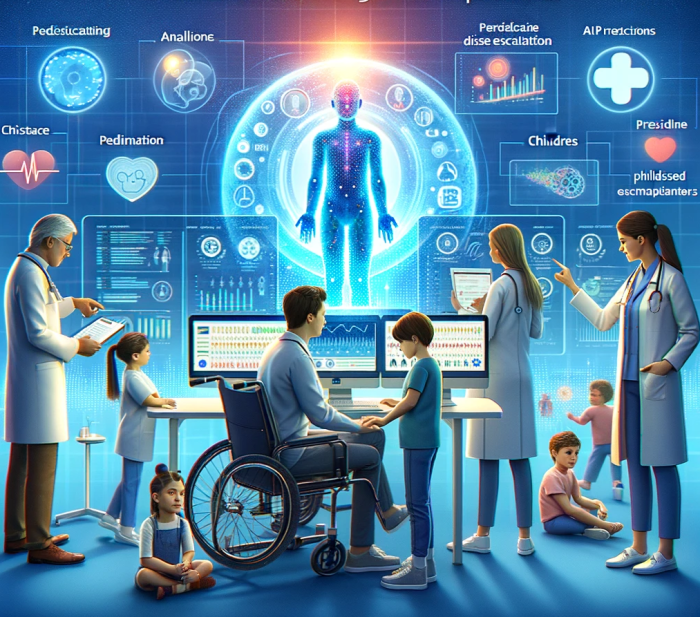
In conclusion, AI in Pediatrics at DuPont Nemours Hospital showcases the transformative power of technology in enhancing patient care and treatment outcomes. By leveraging AI tools for diagnosis, treatment planning, and patient monitoring, the hospital is at the forefront of innovation in pediatric healthcare.
The future possibilities for AI integration in pediatrics are promising, paving the way for improved healthcare practices and better outcomes for young patients.
FAQ Compilation
How is AI integrated into pediatric care at DuPont Nemours Hospital?
AI technologies are used for diagnosing conditions, developing treatment plans, and monitoring patient health, enhancing overall care quality.
What are some examples of AI tools used for accurate diagnosis in pediatrics?
AI tools like image recognition software and predictive analytics help in diagnosing conditions with precision.
How does AI support healthcare providers in making treatment decisions for children?
AI provides insights and data analysis that assist providers in making informed decisions for personalized treatment plans.