With Case Study: DuPont Nemours Hospital’s Use of AI in Patient Care at the forefront, this paragraph opens a window to an amazing start and intrigue, inviting readers to embark on a storytelling journey filled with unexpected twists and insights.
The implementation of AI in healthcare is revolutionizing patient care, and DuPont Nemours Hospital serves as a prime example of harnessing this technology for better outcomes.
Introduction to DuPont Nemours Hospital
DuPont Nemours Hospital is a renowned healthcare facility known for its commitment to providing high-quality medical care to patients. The hospital is equipped with state-of-the-art technology and a team of skilled healthcare professionals dedicated to improving patient outcomes.AI (Artificial Intelligence) has revolutionized the healthcare industry by offering innovative solutions to improve patient care, diagnosis, treatment, and overall operational efficiency.
DuPont Nemours Hospital has embraced AI technologies to enhance the delivery of healthcare services and streamline various processes within the hospital.
Significance of AI in the Healthcare Industry
AI plays a crucial role in transforming the healthcare industry by enabling healthcare providers to analyze vast amounts of data quickly and accurately. By leveraging AI algorithms and machine learning, hospitals can make more informed decisions, personalize treatment plans, and predict potential health risks more effectively.
Potential Benefits of Implementing AI in Patient Care
- Enhanced Diagnostics: AI-powered tools can assist healthcare professionals in making more accurate and timely diagnoses, leading to improved patient outcomes.
- Personalized Treatment Plans: AI algorithms can analyze patient data to create personalized treatment plans that cater to individual needs and preferences.
- Efficient Resource Allocation: AI can help hospitals optimize resource allocation, streamline workflows, and reduce operational costs.
- Predictive Analytics: By utilizing AI for predictive analytics, hospitals can anticipate potential health issues, prevent complications, and provide proactive care to patients.
- Improved Patient Experience: AI technologies can enhance the overall patient experience by offering personalized care, reducing wait times, and improving communication between patients and healthcare providers.
Implementation of AI at DuPont Nemours Hospital
DuPont Nemours Hospital has successfully integrated artificial intelligence (AI) into various aspects of patient care, revolutionizing the way healthcare is delivered within their facility. Through the strategic use of AI technologies, the hospital has been able to enhance diagnostic accuracy, streamline administrative processes, and improve overall patient outcomes.
AI Technologies Used in Patient Care
- Machine Learning Algorithms: DuPont Nemours Hospital utilizes machine learning algorithms to analyze large datasets and identify patterns that can assist in diagnosing diseases, predicting patient outcomes, and personalizing treatment plans.
- Natural Language Processing (NLP): NLP technology is employed to extract valuable insights from unstructured data such as medical notes, reports, and patient records, enabling healthcare providers to make more informed decisions quickly.
- Computer Vision: By leveraging computer vision technology, the hospital can interpret medical images with precision and speed, aiding radiologists in detecting abnormalities and making accurate diagnoses.
Training Staff to Work with AI Systems
Implementing AI in patient care requires a concerted effort to train hospital staff on how to effectively utilize these advanced technologies in their daily workflows. DuPont Nemours Hospital has developed comprehensive training programs to ensure that healthcare professionals are proficient in working alongside AI systems.
- Education on AI Basics: Staff members receive training on the fundamentals of AI, including how it works, its applications in healthcare, and the potential benefits it can offer in improving patient care.
- Hands-On Workshops: Practical workshops are conducted to allow healthcare providers to interact directly with AI systems, gaining hands-on experience in using AI tools for tasks like image analysis, data interpretation, and treatment planning.
- Ongoing Support and Feedback: Continuous support is provided to staff members as they integrate AI into their practice, with feedback mechanisms in place to address any challenges or concerns that may arise during the implementation process.
Impact of AI on Patient Care
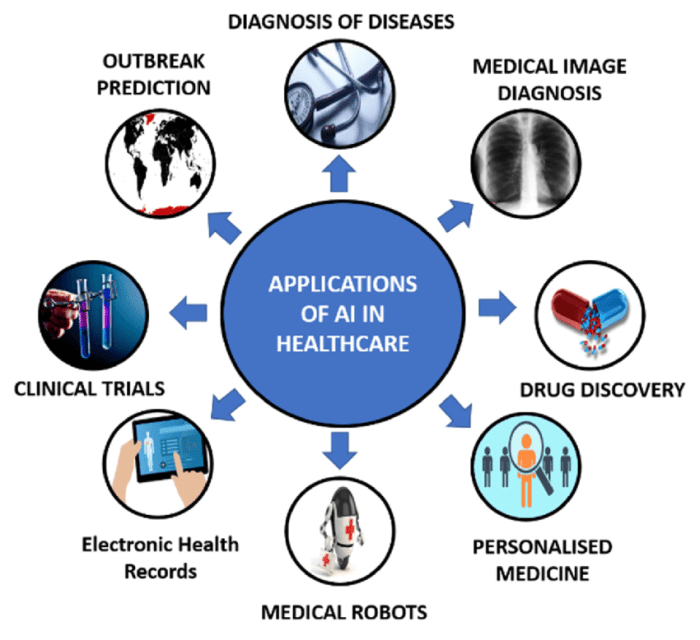
AI implementation at DuPont Nemours Hospital has significantly impacted patient care, leading to improvements in patient outcomes, enhancing efficiency in diagnosis and treatment, and presenting unique challenges during adoption.
Improvements in Patient Outcomes
- AI algorithms have enabled early detection of diseases and conditions, leading to timely interventions and improved prognosis for patients.
- Personalized treatment plans generated by AI based on individual patient data have resulted in better outcomes and reduced recovery times.
- AI-driven predictive analytics have helped healthcare providers identify high-risk patients and intervene proactively to prevent adverse events.
Enhanced Efficiency in Diagnosis and Treatment
- AI tools such as image recognition software have expedited the interpretation of medical images, assisting radiologists in making accurate diagnoses faster.
- Virtual health assistants powered by AI have streamlined patient interactions, enabling faster responses to inquiries and facilitating appointment scheduling.
- AI-enabled robotic surgery systems have enhanced precision during procedures, leading to reduced complications and faster recovery times for patients.
Challenges Faced During Adoption of AI in Patient Care
- Integration of AI systems with existing healthcare IT infrastructure posed technical challenges and required significant resources for implementation.
- Ethical considerations surrounding AI decision-making in patient care, such as bias in algorithms and patient data privacy, raised concerns among healthcare professionals.
- Training healthcare staff to use AI technology effectively and ensuring proper oversight of AI-driven processes presented organizational challenges during the adoption phase.
Ethical Considerations and Privacy Concerns
When it comes to the use of AI in patient care, there are several ethical considerations and privacy concerns that need to be addressed. DuPont Nemours Hospital, like many healthcare institutions, must navigate these complex issues to ensure the well-being of their patients.
Ethical Implications of Using AI in Patient Care
One of the main ethical implications of using AI in patient care is the potential for bias in decision-making. AI algorithms are only as good as the data they are trained on, and if that data is biased in any way, it can lead to unfair treatment of certain patient populations.
DuPont Nemours Hospital must be vigilant in ensuring that their AI systems are free from bias and provide equitable care to all patients.
Ensuring Patient Data Privacy and Security
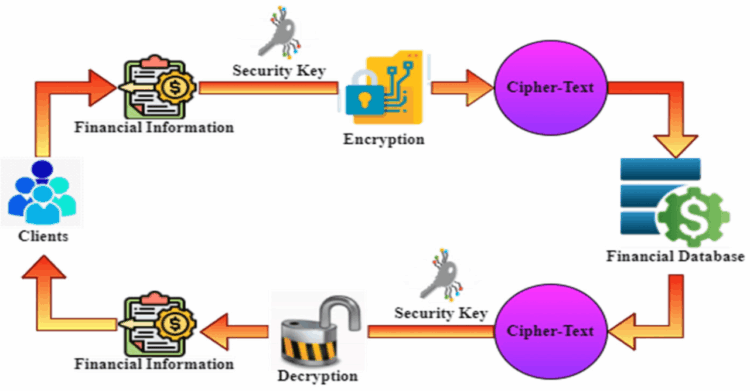
Protecting patient data privacy and security is paramount when implementing AI in healthcare. DuPont Nemours Hospital must comply with strict regulations, such as HIPAA, to safeguard patient information. This includes encrypting data, limiting access to sensitive information, and regularly auditing their systems for vulnerabilities.
Importance of Maintaining Patient Confidentiality in AI Applications
Maintaining patient confidentiality is crucial in AI applications to build trust with patients and ensure compliance with ethical standards. DuPont Nemours Hospital must prioritize the confidentiality of patient data to uphold their commitment to patient privacy. This involves implementing robust data protection measures and transparent communication with patients about how their data is being used.
Final Summary
In conclusion, the Case Study: DuPont Nemours Hospital’s Use of AI in Patient Care highlights the transformative power of AI in healthcare, paving the way for more efficient and effective patient care.
FAQ Section
How has AI improved patient outcomes at DuPont Nemours Hospital?
AI has led to quicker diagnosis and personalized treatment plans, resulting in better outcomes for patients.
What specific AI technologies are used at DuPont Nemours Hospital?
The hospital utilizes machine learning algorithms and natural language processing for various patient care tasks.
How does DuPont Nemours Hospital ensure patient data privacy when using AI?
The hospital follows strict protocols and encryption methods to safeguard patient information.