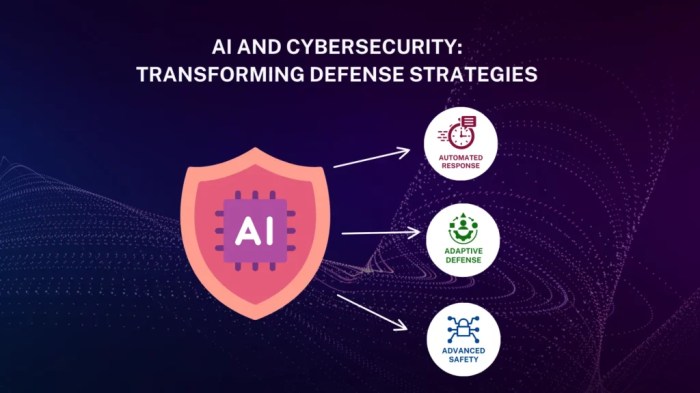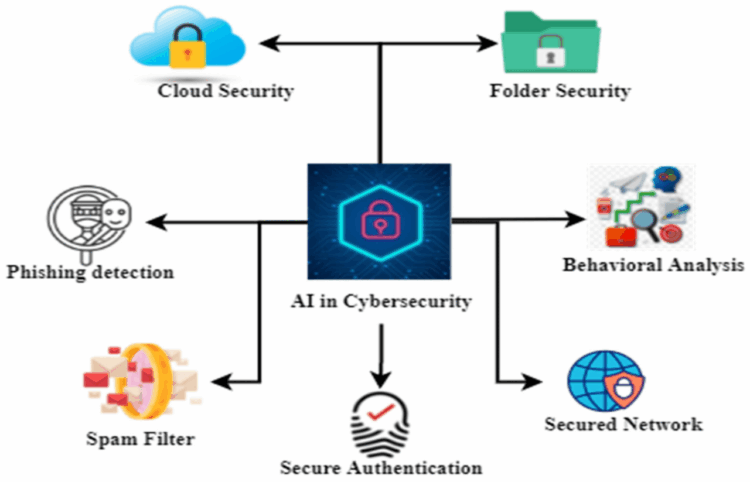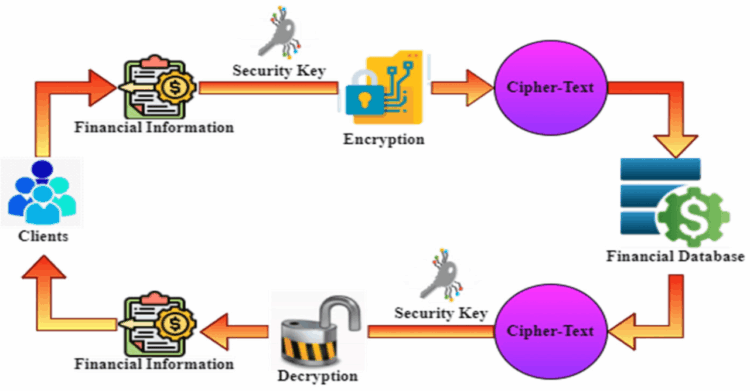
Exploring the impact of AI on modern cybersecurity strategies, this introduction sets the stage for a deep dive into the integration of artificial intelligence in enhancing security measures.
The following paragraphs will delve into specific examples and applications of AI in cybersecurity, shedding light on the innovative solutions it brings to the table.
Overview of Modern Cybersecurity Strategies
Modern cybersecurity strategies encompass the utilization of advanced technologies such as Artificial Intelligence (AI) to enhance the protection of digital assets and sensitive information. AI plays a crucial role in detecting and mitigating cyber threats in real-time, offering a proactive approach to cybersecurity.Examples of AI in Cybersecurity
- AI-powered threat detection systems can analyze vast amounts of data to identify patterns indicative of potential cyber attacks.
- Machine learning algorithms can adapt and improve over time, enhancing the accuracy of threat detection and reducing false positives.
- AI-driven chatbots can enhance customer support by providing instant responses to security-related queries and guiding users on best practices.
Importance of Integrating AI into Cybersecurity Practices
AI integration in cybersecurity practices is essential for staying ahead of evolving cyber threats and maintaining robust defense mechanisms. By leveraging AI technologies, organizations can enhance their incident response capabilities, identify vulnerabilities in real-time, and automate routine security tasks. The proactive nature of AI-driven cybersecurity solutions helps prevent potential breaches and minimizes the impact of security incidents on businesses.AI-Powered Threat Detection and Prevention
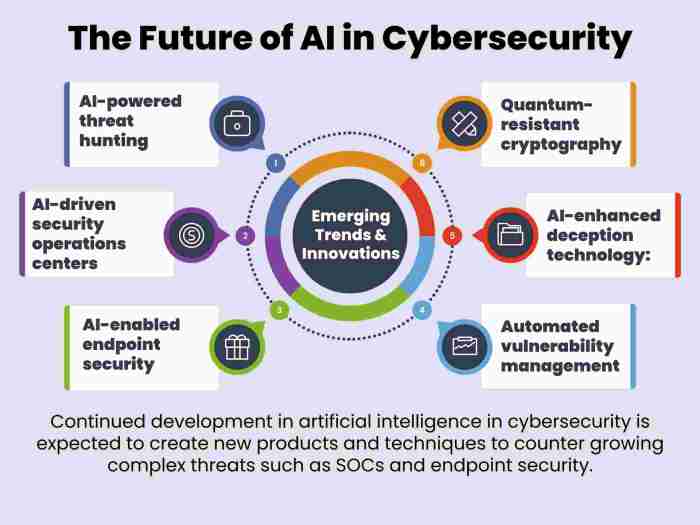 AI plays a crucial role in enhancing cybersecurity strategies by enabling advanced threat detection and prevention capabilities. By leveraging AI technologies, organizations can proactively identify and mitigate security threats before they escalate into full-blown cyberattacks.
Role of Machine Learning Algorithms
Machine learning algorithms are at the core of AI-powered threat detection systems. These algorithms analyze vast amounts of data in real-time to identify patterns and anomalies that indicate potential security breaches. By continuously learning from new data inputs, machine learning algorithms can adapt and improve their threat detection capabilities over time.- One example of a machine learning algorithm used for threat detection is anomaly detection. This algorithm can identify unusual patterns in network traffic or user behavior that may signify a security threat.
- Another example is predictive analytics, where machine learning algorithms analyze historical data to predict potential security risks based on past incidents.
AI Technologies Enhancing Threat Detection
AI technologies such as natural language processing (NLP) and deep learning are also being utilized to enhance threat detection capabilities.- NLP enables security systems to analyze and understand unstructured data sources such as text documents or social media posts for potential security threats.
- Deep learning, a subset of machine learning, allows cybersecurity systems to detect complex patterns and correlations in data that may indicate a security breach.
Automated Incident Response Systems
Automated incident response systems powered by AI play a crucial role in enhancing cybersecurity strategies by enabling organizations to respond to security incidents in real-time. These systems automate the process of detecting, analyzing, and mitigating security threats, reducing response time and minimizing the impact of cyber attacks.Function and Benefits of AI-Powered Incident Response Systems
Automated incident response systems leverage AI algorithms to continuously monitor network activities, detect anomalies, and identify potential security breaches. By analyzing vast amounts of data in real-time, these systems can promptly respond to security incidents, isolate affected systems, and initiate appropriate countermeasures to contain the threat.- Enhanced Threat Detection: AI-powered incident response systems can detect advanced and evolving threats that traditional security measures may overlook.
- Improved Response Time: By automating incident response processes, AI systems can respond to security incidents within seconds, minimizing the impact on the organization.
- Reduced Human Error: Automation reduces the reliance on manual intervention, minimizing the risk of human error in responding to security incidents.
- Scalability: AI-driven incident response tools can scale to analyze and respond to a large volume of security alerts, ensuring comprehensive coverage.
Examples of AI-Driven Incident Response Tools
One prominent example of an AI-driven incident response tool is IBM QRadar Advisor with Watson. This tool uses AI to analyze security data, identify potential threats, and provide actionable insights for security analysts. Another effective AI-powered incident response tool is Darktrace, which uses machine learning algorithms to detect and respond to cyber threats in real-time.Overall, automated incident response systems powered by AI offer organizations a proactive and efficient approach to cybersecurity, enabling them to swiftly identify and mitigate security threats before they escalate into major breaches.Enhancing Security Operations with AI
AI technologies have revolutionized security operations by significantly improving efficiency and effectiveness in combating cyber threats. By leveraging AI capabilities, organizations can enhance their overall security posture and stay ahead of evolving threats.Impact of AI on Security Analytics and Monitoring
- AI-powered analytics enable real-time threat detection and analysis, identifying patterns and anomalies that may indicate a potential security breach.
- Machine learning algorithms can sift through vast amounts of data to identify suspicious activities, minimizing false positives and alert fatigue.
- AI-driven monitoring systems provide continuous surveillance of network traffic and user behavior, enhancing visibility into potential risks.
Role of AI in Streamlining Security Workflows and Reducing Response Times
- Automation of routine tasks such as system patching and vulnerability assessments frees up security teams to focus on more strategic initiatives.
- AI-powered incident response systems can prioritize alerts based on risk severity, enabling faster response times and more efficient mitigation of threats.
- By integrating AI into security workflows, organizations can streamline processes, improve decision-making, and proactively defend against cyber attacks.
Adaptive Security Measures with AI
Adaptive security measures leverage AI technology to enhance cybersecurity strategies by dynamically adjusting defenses based on real-time data and threats.
Implementation of Adaptive Security with AI
AI enables adaptive security through machine learning algorithms that analyze and respond to evolving cyber threats in real-time. By continuously learning from new data, AI can update defense mechanisms to stay ahead of sophisticated attacks.
Advantages of AI for Adaptive Security
- Improved Threat Detection: AI can quickly identify and analyze patterns in data to detect potential security breaches more efficiently than traditional methods.
- Dynamic Response: AI-powered systems can autonomously respond to threats in real-time, minimizing the impact of cyber attacks.
- Reduced False Positives: AI algorithms can filter out false alarms and focus on genuine threats, reducing the burden on security teams.
- Scalability: AI can scale security measures to adapt to the changing needs of organizations, providing flexibility and efficiency in cybersecurity operations.
- Continuous Learning: AI systems can continuously learn from new data and experiences, improving their ability to predict and prevent future security incidents.
Final Wrap-Up
In conclusion, the discussion on AI transforming modern cybersecurity strategies highlights the pivotal role technology plays in safeguarding digital assets. As AI continues to evolve, its seamless integration into cybersecurity practices will undoubtedly shape the future of digital defense mechanisms.
Question & Answer Hub
How can AI improve threat detection in cybersecurity?
AI can enhance threat detection by analyzing vast amounts of data at high speeds, identifying patterns indicative of potential security breaches.
What benefits do automated incident response systems powered by AI offer?
Automated incident response systems powered by AI provide quick and efficient responses to security incidents, minimizing potential damages and response times.
How does AI contribute to adaptive security measures in cybersecurity?
AI enables adaptive security measures by continuously analyzing real-time data to adjust security strategies based on evolving threats, ensuring a dynamic defense mechanism.