Diving into the realm of automated AI, Data Robot stands at the forefront of innovation, reshaping industries and redefining possibilities. This introduction sets the stage for a captivating journey through the transformative power of Data Robot's technology.
Providing insights into the groundbreaking impact of Data Robot, this paragraph offers a glimpse into the evolution of automated AI and its far-reaching implications.
The Impact of DataRobot in Automated AI
DataRobot has been a game-changer in the field of automated AI, revolutionizing the way organizations approach data analytics and machine learning. By providing a user-friendly platform that automates the end-to-end process of building, deploying, and managing machine learning models, DataRobot has made AI accessible to a wider audience, regardless of their technical expertise.
Transformation Across Industries
- DataRobot has transformed the finance industry by enabling banks and financial institutions to make more accurate predictions for risk management and fraud detection.
- In healthcare, DataRobot's technology has been used to develop predictive models for patient outcomes, personalized treatment plans, and disease diagnoses.
- Retail companies have benefited from DataRobot by optimizing pricing strategies, forecasting demand, and improving customer segmentation.
Advantages of Using DataRobot
- DataRobot accelerates the model-building process by automating feature engineering, model selection, and hyperparameter tuning, saving time and resources.
- It democratizes AI by providing a visual interface that allows users from various backgrounds to build and deploy machine learning models without extensive coding knowledge.
- DataRobot's AutoML capabilities help organizations achieve higher accuracy and efficiency in their predictive models, leading to better decision-making and business outcomes.
DataRobot's Approach to Automated AI
DataRobot's methodology for implementing automated AI revolves around leveraging advanced machine learning algorithms to automate the end-to-end process of building, deploying, and managing AI models. This approach streamlines the traditionally labor-intensive and time-consuming aspects of AI development, allowing organizations to accelerate their AI initiatives.
Comparison with Traditional Manual AI Development
- DataRobot's approach eliminates the need for manual coding by automatically selecting the best algorithms and preprocessing techniques based on the data provided, whereas manual AI development requires significant coding and algorithm selection expertise.
- Automated AI platforms like DataRobot enable rapid model training and deployment, reducing the time-to-market for AI solutions compared to the manual development process, which can be slow and resource-intensive.
- DataRobot's automated feature engineering capabilities help optimize model performance by automatically identifying relevant features in the data, a task that would typically require manual feature selection and engineering in traditional AI development.
Key Features Setting DataRobot Apart in the Automated AI Landscape
- DataRobot's AutoML functionality allows users to automatically build and compare multiple machine learning models, saving time and effort in model selection and tuning.
- The platform's transparency and interpretability features provide insights into how models make predictions, enhancing trust and understanding in AI applications, a critical aspect often lacking in black-box AI models.
- DataRobot's robust deployment capabilities streamline the process of putting AI models into production, ensuring seamless integration with existing systems and workflows, a significant advantage over manual deployment methods.
Applications of DataRobot in Various Industries

DataRobot's automated AI platform has revolutionized the way industries operate, offering advanced analytics and predictive modeling capabilities. Let's explore how DataRobot is being utilized in different sectors to drive innovation and efficiency.
Healthcare Industry
- DataRobot is helping healthcare providers improve patient outcomes by predicting diseases and optimizing treatment plans based on patient data.
- It is also being used to streamline administrative processes, such as optimizing hospital operations and resource allocation.
- Success Story: Hospital X implemented DataRobot to predict patient readmissions, resulting in a 20% reduction in readmission rates and significant cost savings.
Finance Industry
- DataRobot is revolutionizing the finance industry by enabling accurate risk assessment, fraud detection, and personalized financial recommendations.
- Financial institutions are leveraging DataRobot to enhance customer experience through personalized product offerings and targeted marketing campaigns.
- Success Story: Bank Y integrated DataRobot into their operations to detect fraudulent transactions in real-time, saving millions of dollars annually.
Marketing Industry
- DataRobot is empowering marketers to optimize marketing strategies, personalize customer interactions, and forecast market trends with precision.
- It is being used to analyze consumer behavior, segment audiences, and tailor marketing campaigns for maximum impact.
- Success Story: Company Z utilized DataRobot to predict customer preferences and optimize marketing spend, resulting in a 30% increase in sales revenue.
Hypothetical Scenario: Agriculture Industry
In a hypothetical scenario, DataRobot could be integrated into the agriculture industry to predict crop yield, optimize irrigation schedules, and forecast market demand. Farmers could leverage DataRobot's predictive analytics to make data-driven decisions, leading to increased crop productivity and profitability.
Challenges and Limitations of DataRobot
When organizations decide to adopt DataRobot's automated AI solutions, they may encounter various challenges that could impact the successful implementation of the technology. Understanding these potential hurdles and limitations is crucial in order to effectively overcome them and maximize the benefits of using DataRobot.
Integration Complexity
One of the challenges organizations face when implementing DataRobot is the complexity of integrating the platform with existing systems and workflows. This process can be time-consuming and require significant resources to ensure seamless integration without disrupting current operations.
Lack of Data Quality
Data quality is essential for the success of any AI model, including those created using DataRobot. Organizations may struggle with ensuring the accuracy, completeness, and reliability of their data, which can impact the performance and effectiveness of the automated AI solutions generated by DataRobot.
Interpretability of Models
Another limitation of DataRobot is the interpretability of the models it creates. While DataRobot's automated AI solutions are highly accurate and efficient, understanding how the models make predictions or decisions can be challenging for users, especially non-technical stakeholders.
Overcoming Challenges
- Invest in thorough training and education for employees to ensure they have the necessary skills to effectively use DataRobot and interpret the results generated by the platform.
- Implement robust data governance practices to improve data quality and ensure that the data used by DataRobot is accurate, reliable, and up-to-date.
- Collaborate closely with DataRobot's support team and experts to address any integration issues and ensure a smooth implementation process.
- Utilize explainable AI techniques to enhance the interpretability of the models generated by DataRobot, providing users with insights into how decisions are made.
Closing Summary
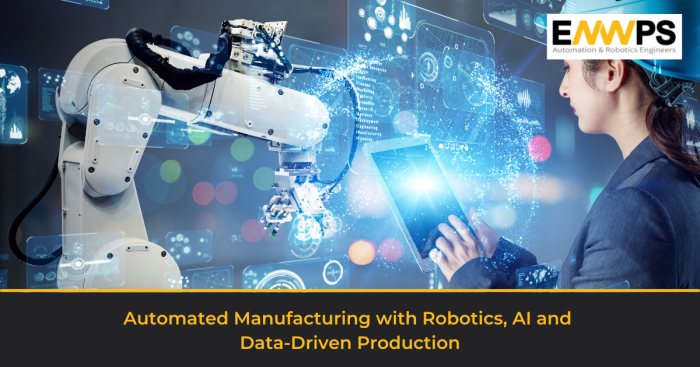
In conclusion, the landscape of automated AI is undergoing a profound shift, thanks to the disruptive influence of Data Robot. As we navigate the future, the path forward is illuminated by the trailblazing advancements made possible by this cutting-edge technology.
FAQ Overview
How does DataRobot revolutionize the field of automated AI?
DataRobot streamlines and enhances the automation of AI processes, leading to increased efficiency and accuracy in decision-making.
What are some industries that have been transformed by DataRobot's technology?
Industries such as healthcare, finance, and marketing have experienced significant transformations through the implementation of DataRobot.
What challenges may organizations face when adopting DataRobot's automated AI solutions?
Organizations may encounter challenges related to data integration, model interpretation, and scalability when implementing DataRobot's technology.