Delving into the realm of AI in hospitals like DuPont Nemours, this article sheds light on how cutting-edge technologies are revolutionizing the medical field, specifically in the realm of faster diagnoses. From enhancing accuracy to expediting processes, AI is proving to be a game-changer in healthcare settings.
Introduction to AI in Hospitals
AI, or artificial intelligence, plays a crucial role in healthcare settings like hospitals by revolutionizing the way medical diagnosis is conducted. By utilizing AI technologies, hospitals can benefit from faster and more accurate diagnoses, ultimately leading to improved patient outcomes and overall efficiency in healthcare delivery.
Benefits of Using AI for Medical Diagnosis
- Enhanced Speed and Accuracy: AI algorithms can process vast amounts of medical data quickly and accurately, leading to faster and more precise diagnoses.
- Personalized Treatment Plans: AI can analyze patient data to tailor treatment plans based on individual characteristics, improving patient care and outcomes.
- Early Detection of Diseases: AI technologies can identify patterns and anomalies in medical images or patient records, enabling early detection of diseases like cancer.
Examples of AI Technologies in Hospitals
- Machine Learning Algorithms: Used to analyze patient data and predict potential health outcomes, assisting healthcare providers in making informed decisions.
- Natural Language Processing (NLP): Helps in extracting valuable information from unstructured medical data, such as physician notes or patient records.
- Computer Vision: Enables the analysis of medical images like X-rays and MRIs, aiding in the detection of abnormalities or diseases.
Implementation of AI at DuPont Nemours Hospital
At DuPont Nemours Hospital, the integration of Artificial Intelligence (AI) into their diagnostic processes has revolutionized the way patients receive care. By leveraging advanced technology, the hospital has been able to streamline and expedite the diagnostic procedures, resulting in faster and more accurate diagnoses.
AI Tools and Systems Used for Faster Diagnoses
One of the key AI tools utilized at DuPont Nemours Hospital is a sophisticated machine learning algorithm that can analyze medical images such as X-rays, MRIs, and CT scans with incredible precision. This system helps radiologists identify abnormalities and potential health issues at a much faster rate than traditional methods.
- The AI system can assist in flagging potential areas of concern in scans, allowing healthcare providers to prioritize urgent cases and provide timely interventions.
- By automating the analysis process, AI reduces the chances of human error and ensures that no critical findings are missed during the diagnostic phase.
- Furthermore, the AI tools used at DuPont Nemours Hospital can also predict patient outcomes based on historical data, enabling doctors to tailor treatment plans for better results.
Success Stories and Case Studies
Several success stories and case studies at DuPont Nemours Hospital highlight the effectiveness of AI in improving patient outcomes and reducing diagnostic delays.
"In a recent study conducted at the hospital, the implementation of AI in diagnostic imaging led to a 30% reduction in turnaround time for radiology reports, allowing for quicker treatment decisions and better patient care."
- One notable case involved the early detection of a rare form of cancer in a patient, thanks to the AI system flagging subtle abnormalities in a routine scan. This early diagnosis significantly improved the patient's prognosis and treatment options.
- Another success story showcased how AI-assisted triage systems helped prioritize emergency cases in the hospital, leading to faster interventions and better outcomes for critically ill patients.
AI Applications for Faster Diagnoses
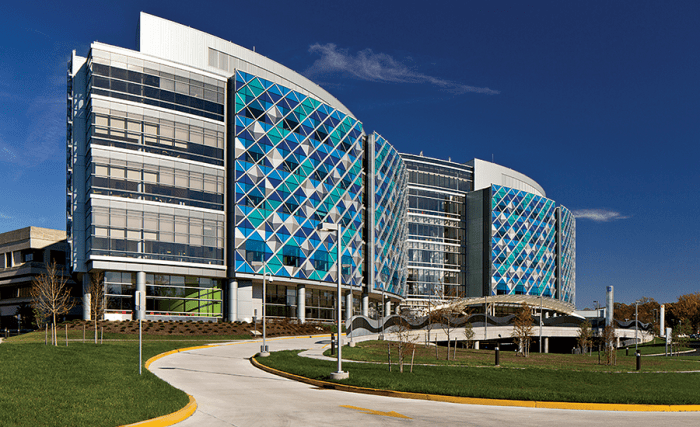
AI technology has revolutionized the healthcare industry, particularly in the field of diagnostics. By utilizing various AI applications, hospitals like DuPont Nemours have been able to significantly speed up the process of diagnosing patients, leading to quicker treatment and improved outcomes.
Let's explore some of the key AI applications used for faster diagnoses and how they compare to traditional methods.
AI-Powered Diagnostic Tools
AI-powered diagnostic tools, such as machine learning algorithms and image recognition software, have proven to be invaluable in enhancing the diagnostic process. These tools can quickly analyze vast amounts of patient data, including medical records, lab results, and imaging scans, to identify patterns and make accurate diagnoses.
Compared to traditional methods that rely heavily on manual interpretation, AI-powered tools can provide faster and more precise results, reducing the time it takes to diagnose a patient's condition
- Machine Learning Algorithms: These algorithms can analyze patient data to predict potential diagnoses based on patterns and trends in the data. By continuously learning and improving from new information, machine learning algorithms can assist healthcare providers in making more accurate diagnoses.
- Image Recognition Software: AI-powered image recognition software can analyze medical images, such as X-rays, CT scans, and MRIs, to detect abnormalities or potential signs of disease. This technology can quickly flag areas of concern for further review by healthcare professionals, expediting the diagnostic process.
Enhanced Accuracy and Efficiency
AI enhances accuracy and efficiency in the diagnostic process by providing healthcare providers with valuable insights and decision support. AI applications can help reduce human error and subjective interpretation, leading to more consistent and reliable diagnoses. Additionally, AI can streamline the diagnostic workflow, allowing healthcare providers to prioritize urgent cases and allocate resources effectively.
Overall, the integration of AI in diagnostic procedures not only speeds up the process but also improves the quality of patient care by ensuring timely and accurate diagnoses.
Challenges and Limitations of AI in Diagnoses
Implementing AI for diagnoses in hospitals like DuPont Nemours comes with its own set of challenges and limitations. These factors can impact the effectiveness and reliability of AI technology in medical settings.
Potential Challenges Faced by Hospitals
- Integration with existing systems: Hospitals may face difficulties integrating AI technology with their current infrastructure and electronic health record systems, leading to compatibility issues and data management challenges.
- Quality of data: The accuracy and quality of data inputted into AI algorithms greatly influence the accuracy of diagnoses. Hospitals need to ensure that the data being used is comprehensive, up-to-date, and reliable.
- Regulatory compliance: Adhering to strict regulations and guidelines surrounding patient data privacy and security can pose challenges for hospitals utilizing AI for diagnoses. Ensuring compliance with laws such as HIPAA is essential.
Limitations of AI Technology in Diagnoses
- Interpretation of complex cases: AI may struggle to interpret complex medical cases that require nuanced understanding and contextual information beyond what is available in the data. This can lead to misdiagnosis or inaccurate treatment recommendations.
- Lack of human touch: While AI can analyze data efficiently, it lacks the human touch and intuition that healthcare providers possess. Building rapport with patients, understanding emotions, and providing personalized care are aspects where AI falls short.
- Ethical considerations: AI algorithms may inadvertently perpetuate biases present in the data used for training, leading to unfair treatment or diagnostic disparities. Hospitals must address these ethical considerations to ensure AI is used responsibly and equitably.
Addressing Challenges to Maximize AI Benefits
- Investing in staff training: Hospitals can provide training programs to healthcare professionals on how to effectively collaborate with AI systems, interpret AI-generated insights, and leverage technology to enhance patient care.
- Continuous monitoring and evaluation: Regular monitoring of AI algorithms and outcomes is crucial to identify and rectify any biases, errors, or inaccuracies. Hospitals should implement protocols for ongoing evaluation and improvement.
- Patient education and transparency: Ensuring patients are informed about the use of AI in their diagnoses, addressing any concerns about privacy or data security, and maintaining open communication can help build trust and acceptance of AI technology in healthcare settings.
Final Wrap-Up

In conclusion, the integration of AI at hospitals like DuPont Nemours signifies a transformative shift in the way medical diagnoses are conducted. With advancements in technology paving the way for quicker and more precise assessments, the future of healthcare looks promising with AI at the forefront of innovation.
FAQ Corner
How does AI improve diagnostic speed at hospitals like DuPont Nemours?
AI streamlines processes by quickly analyzing vast amounts of data, leading to faster and more accurate diagnoses.
Are there any privacy concerns with AI in medical diagnoses?
Hospitals ensure strict protocols are in place to safeguard patient data and maintain confidentiality when using AI for diagnoses.
Can AI completely replace human doctors in diagnostic processes?
AI serves as a valuable tool for doctors, aiding in decision-making and analysis, but human expertise and empathy remain crucial in healthcare.