As Level AI in 2025: Current Trends and Future Predictions takes center stage, this opening passage beckons readers with casual formal language style into a world crafted with good knowledge, ensuring a reading experience that is both absorbing and distinctly original.
The discussion will delve into the current state, evolution of AI algorithms, ethical considerations, industry applications, challenges, and limitations of Level AI in 2025.
Overview of AI in 2025
The year 2025 marks a significant milestone in the evolution of artificial intelligence (AI) technology. As of now, AI has made remarkable progress in various fields, ranging from healthcare to finance, revolutionizing the way tasks are automated and decisions are made.
AI advancements by 2025 are expected to be even more groundbreaking, with improvements in machine learning algorithms, natural language processing, and computer vision. These developments will not only enhance the capabilities of AI systems but also lead to the creation of more sophisticated and intelligent machines.
Key Sectors Impacted by AI
In 2025, AI is projected to have a profound impact on several key sectors, reshaping industries and driving innovation. Some of the sectors where AI is expected to make significant strides include:
- Healthcare: AI-powered tools and algorithms are anticipated to improve diagnostics, personalized treatment plans, and drug discovery, ultimately enhancing patient outcomes and reducing healthcare costs.
- Finance: AI technologies are set to transform the financial sector by automating processes, detecting fraud, and providing more accurate risk assessments, leading to better decision-making and increased efficiency.
- Transportation: Autonomous vehicles and AI-driven traffic management systems are poised to revolutionize transportation, making travel safer, more efficient, and environmentally friendly.
- Retail: AI applications in retail, such as personalized recommendations, inventory management, and customer service bots, are expected to enhance the shopping experience and streamline operations.
Evolution of AI Algorithms
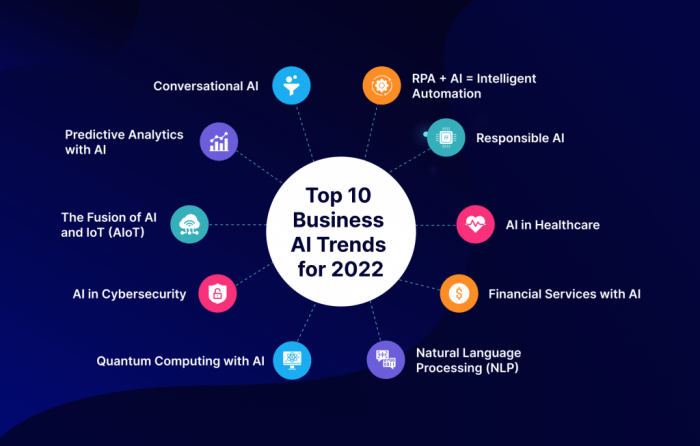
AI algorithms have come a long way since their inception, and the evolution is set to continue shaping the landscape of artificial intelligence until 2025. The advancements in AI algorithms have been driven by the need for more efficient and effective solutions to complex problems across various industries.
Current AI Algorithms vs. 2025 Projections
In the current landscape, AI algorithms predominantly focus on machine learning techniques such as deep learning, reinforcement learning, and natural language processing. These algorithms have shown impressive capabilities in tasks like image recognition, autonomous driving, and language translation. However, by 2025, we can expect a shift towards more advanced algorithms that integrate multiple disciplines such as neuroscience, cognitive science, and psychology.
These hybrid algorithms aim to mimic human-like intelligence and reasoning, enabling AI systems to make decisions in a more intuitive and ethical manner.
Potential Benefits of Advanced AI Algorithms
The adoption of advanced AI algorithms in various applications holds the potential for significant benefits. These algorithms can enhance the accuracy and speed of decision-making processes, leading to more efficient operations and resource utilization. In healthcare, advanced AI algorithms can assist in diagnosing diseases at an early stage and personalizing treatment plans for patients.
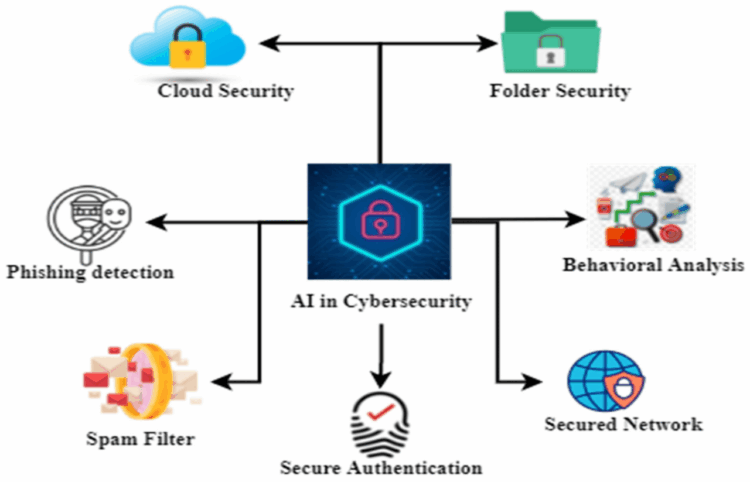
In finance, these algorithms can improve risk management strategies and optimize investment portfolios. Additionally, advanced AI algorithms can enhance cybersecurity measures by detecting and preventing cyber threats in real-time, ensuring the safety and security of digital systems.
Ethical Considerations in AI Development
As artificial intelligence continues to advance in 2025, it is crucial to analyze the ethical implications of these developments. Ethical considerations play a significant role in shaping the future of AI technologies and their impact on society.
Data Privacy and Security
- The ethical handling of data privacy and security is paramount in AI development. Ensuring that personal data is protected and used responsibly is essential to maintain trust with users.
- Implementing robust security measures to safeguard sensitive information from unauthorized access or misuse is crucial for ethical AI practices.
- Companies must be transparent about how they collect, store, and utilize data to build trust and maintain ethical standards in AI technologies.
Bias and Fairness in AI Algorithms
- Ethical AI development practices involve addressing bias and ensuring fairness in algorithms. Biased algorithms can perpetuate discrimination and inequality, emphasizing the importance of eliminating bias in AI systems.
- Developing algorithms that are fair and unbiased requires diverse teams of experts to identify and mitigate potential biases in data and decision-making processes.
- Regular audits and assessments of AI algorithms are necessary to detect and correct any biases that may impact the outcomes of AI technologies.
Accountability and Transparency
- Accountability and transparency are critical components of ethical AI development. Companies must take responsibility for the decisions made by AI systems and be transparent about how those decisions are reached.
- Establishing clear guidelines and ethical frameworks for AI development can help ensure accountability and transparency in the deployment of AI technologies.
- Creating mechanisms for oversight and accountability, such as regulatory frameworks and ethical review boards, can help mitigate potential risks and ensure ethical AI practices.
Applications of AI in Various Industries
AI technology is anticipated to revolutionize various industries by 2025, enhancing efficiency, productivity, and decision-making processes. Let's delve into how AI is expected to be integrated across different sectors and the specific use cases in healthcare, finance, manufacturing, and more.
Healthcare Industry
In the healthcare sector, AI is predicted to streamline patient care through personalized treatment plans, predictive analytics for early disease detection, and robotic surgery assistance. AI-powered tools can analyze vast amounts of medical data to identify patterns and trends, leading to improved diagnosis accuracy and treatment outcomes.
Finance Sector
AI is set to transform the finance industry by automating repetitive tasks like fraud detection, risk assessment, and algorithmic trading. Chatbots powered by AI technology can provide customer service, while machine learning algorithms can analyze financial data to predict market trends and optimize investment strategies.
Manufacturing Sector
In manufacturing, AI is expected to optimize production processes by enabling predictive maintenance, quality control, and supply chain management. Smart factories equipped with AI-driven systems can increase operational efficiency, reduce downtime, and minimize errors through real-time data analysis and automation.
Impact on Job Roles
The integration of AI across industries may lead to a shift in job roles and tasks, with automation replacing repetitive and manual labor. However, new opportunities are likely to emerge in roles focused on AI development, data analysis, and strategy formulation.
Upskilling and reskilling programs will be crucial to adapt to the changing workforce landscape.
Challenges and Limitations of Level AI in 2025
AI technology has made significant advancements in recent years, but there are still challenges and limitations that need to be addressed for AI to reach advanced levels by 2025. These challenges include ethical concerns, technical constraints, and societal implications that may hinder the progress of AI technology.
Ethical Concerns in AI Development
Ethical considerations are a crucial aspect of AI development, as the decisions made by AI systems can have far-reaching consequences. Issues such as bias in algorithms, privacy concerns, and the potential misuse of AI technology pose significant challenges to the advancement of AI.
It is important to establish guidelines and regulations to ensure that AI systems are developed and used responsibly.
Technical Constraints and Limitations
One of the key limitations of AI technology is the lack of understanding of complex human behaviors and emotions. Current AI systems struggle to interpret subtle cues and nuances that are second nature to humans, which can limit their effectiveness in certain applications.
Additionally, the energy consumption and computational power required for advanced AI algorithms can be a barrier to their widespread adoption.
Societal Implications and Acceptance
The acceptance of AI technology by society is another challenge that needs to be addressed. There are concerns about job displacement due to automation, as well as fears about AI systems surpassing human intelligence and control. Building trust in AI systems and ensuring transparency in their decision-making processes are essential to overcoming societal resistance to AI technology.
Strategies to Overcome Challenges
To enhance AI capabilities and overcome these challenges, collaborative efforts between researchers, policymakers, and industry stakeholders are essential. Investing in research to address technical constraints, implementing ethical guidelines for AI development, and fostering public dialogue about the benefits and risks of AI are crucial steps towards advancing AI technology responsibly.
Closing Notes
In conclusion, the future of AI in 2025 holds immense potential and challenges that require thoughtful consideration and strategic planning. The journey towards advanced AI levels promises to reshape industries and societies, paving the way for a future that is both exciting and complex.
FAQ Compilation
What are some key sectors where AI is expected to have a significant impact by 2025?
AI is expected to greatly influence sectors such as healthcare, finance, transportation, and cybersecurity due to its ability to streamline operations and drive innovation.
How can ethical considerations influence AI technologies in the future?
Ethical considerations can shape the development and deployment of AI technologies by ensuring transparency, fairness, and accountability in decision-making processes.
What potential limitations might AI face in reaching advanced levels by 2025?
AI may encounter challenges related to data privacy, bias in algorithms, and societal acceptance, which could hinder its progress towards advanced levels.