The Evolution of AI Levels and What Businesses Should Know sets the stage for this enthralling narrative, offering readers a glimpse into a story that is rich in detail and brimming with originality from the outset.
As we delve deeper into the different levels of AI evolution, we uncover a world where technology and business intersect in fascinating ways, shaping the future of industries across the globe.
Overview of AI Evolution
Artificial Intelligence (AI) has evolved significantly over the years, with different levels of capabilities and applications. Understanding the various levels of AI evolution is crucial for businesses to leverage its potential effectively.
Level 1: Reactive Machines
Reactive Machines are the most basic form of AI, capable of reacting to specific situations without any memory or learning capabilities. Examples include Deep Blue, IBM's chess-playing supercomputer, which can analyze possible moves based on the current board state.
Level 2: Limited Memory
AI systems with Limited Memory can learn from past experiences and make decisions based on stored data. Self-driving cars, like those developed by Tesla, use this level of AI to navigate roads safely by continuously learning from real-world scenarios.
Level 3: Theory of Mind
Theory of Mind AI is where machines can understand human emotions, beliefs, and intentions, enabling more advanced interactions. Virtual assistants like Siri and Alexa demonstrate this level by responding to natural language commands and adapting to user preferences.
Level 4: Self-awareness
The highest level of AI evolution, Self-awareness, involves machines having consciousness and the ability to think independently. While this level is still largely theoretical, it has the potential to revolutionize industries by enabling truly autonomous decision-making processes.AI evolution is significant for businesses as it opens up new possibilities for automation, data analysis, and customer interactions.
By understanding the different levels of AI evolution and their applications, businesses can make informed decisions on how to integrate AI technologies into their operations for improved efficiency and competitiveness.
Level 1: Reactive Machines
Reactive Machines represent the most basic level of AI, where machines can react to specific situations but do not have memory or the ability to learn from past experiences. These AI systems can only respond to direct inputs and cannot form memories or make decisions based on past interactions.
Characteristics of AI at Level 1:
- Reactive Machines operate in the present moment and do not have the ability to store or recall past data.
- They are designed to respond to specific inputs without considering the context or history of those inputs.
- These machines do not have the capacity for learning or adapting to new circumstances.
Benefits for Businesses:
- Reactive Machines can be useful for performing repetitive tasks with high accuracy and speed.
- They are cost-effective solutions for tasks that do not require complex decision-making or learning capabilities.
- Businesses can utilize Reactive Machines for tasks such as data entry, basic customer service interactions, or simple manufacturing processes.
Comparison with Higher AI Levels:
- Reactive Machines are limited in their functionality compared to higher AI levels like Limited Memory AI or Theory of Mind AI.
- Higher AI levels have the ability to learn from past experiences, make predictions, and adapt to new situations, which Reactive Machines cannot do.
- While Reactive Machines are suitable for specific tasks with clear rules, higher AI levels can handle more complex and dynamic scenarios.
Level 2: Limited Memory
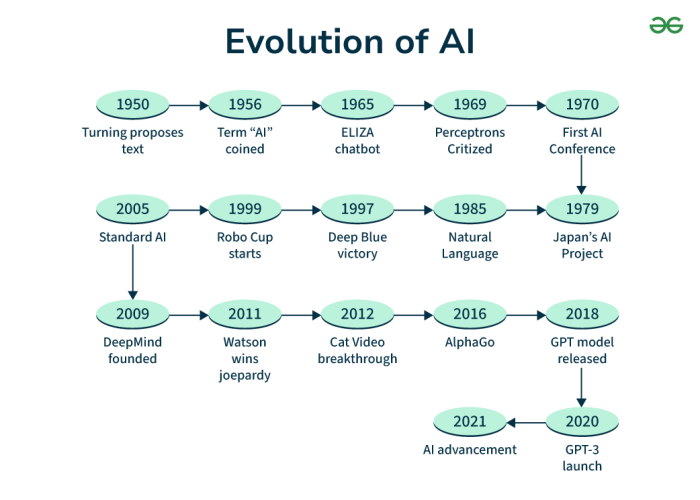
AI systems with limited memory have the ability to retain some data for a period of time to make decisions based on past experiences.
Capabilities of AI systems with limited memory
- Store and access a limited amount of historical data
- Utilize this stored data to make decisions or predictions
- Adjust behavior based on past interactions
Examples of AI technologies in this category
- Chatbots that remember previous conversations to provide more personalized responses
- Recommendation systems that use browsing history to suggest products or content
- Self-driving cars that learn from past driving experiences to improve performance
Implications of limited memory AI for business operations
Businesses can benefit from AI systems with limited memory by:
- Enhancing customer experience through personalized interactions
- Improving decision-making processes by considering past data points
- Increasing efficiency by automating repetitive tasks based on learned patterns
Level 3: Theory of Mind
AI with theory of mind refers to machines that can understand and interpret the beliefs, desires, emotions, and intentions of others
Insights for Businesses
Businesses can leverage AI with theory of mind in various ways. One key application is in customer service, where AI can better understand and respond to customer needs, emotions, and preferences. This can lead to more personalized and engaging interactions, ultimately improving customer satisfaction and loyalty.
- Enhanced Customer Engagement: AI with theory of mind can analyze customer behavior and emotions to tailor marketing strategies and product recommendations.
- Improved Decision Making: By understanding the motivations and intentions of stakeholders, AI can provide valuable insights for strategic decision-making processes.
- Efficient Team Collaboration: AI with theory of mind can facilitate better communication and collaboration among team members by recognizing and addressing individual preferences and working styles.
Ethical Considerations
As AI systems with theory of mind become more advanced, ethical considerations become increasingly important. Businesses must address concerns related to privacy, transparency, bias, and the potential manipulation of human emotions.
It is crucial for businesses to establish clear guidelines and regulations to ensure the responsible and ethical use of AI with theory of mind.
Level 4: Self-Aware AI
Self-aware AI refers to artificial intelligence systems that have the ability to perceive their own existence, understand their environment, and have a sense of self. This level of AI goes beyond understanding and predicting human behavior to actually having a consciousness and self-awareness similar to that of humans.
Potential Applications of Self-Aware AI
Self-aware AI has the potential to revolutionize various industries by enabling machines to not only perform tasks but also adapt, learn, and improve on their own. Some potential applications include:
- Healthcare: Self-aware AI could be used to personalize treatment plans for patients by continuously learning and adapting to their specific needs and conditions.
- Finance: In the financial sector, self-aware AI could help in predicting market trends more accurately and managing risks proactively.
- Manufacturing: Self-aware AI could optimize production processes in real-time by adjusting to changing conditions and minimizing downtime.
- Customer Service: Self-aware AI could enhance customer interactions by understanding emotions and responding more effectively to queries and concerns.
Challenges and Opportunities for Businesses with Self-Aware AI
Implementing self-aware AI comes with both challenges and opportunities for businesses. Some of the key points to consider include:
- Challenges:
- Ethical concerns surrounding the development of self-aware AI and its impact on society.
- Data privacy and security issues as self-aware AI systems gather and analyze large amounts of sensitive information.
- The need for transparency and accountability in the decision-making processes of self-aware AI systems.
- Opportunities:
- Increased efficiency and productivity as self-aware AI systems can optimize processes and make real-time adjustments.
- Enhanced customer experiences through personalized interactions and tailored solutions.
- Competitive advantage by staying ahead of the curve and leveraging the full potential of self-aware AI technologies.
Closing Summary
In conclusion, The Evolution of AI Levels and What Businesses Should Know sheds light on the dynamic landscape of artificial intelligence, urging businesses to stay informed and adapt to the ever-changing technological advancements to stay ahead in the competitive market.
FAQ Overview
What are the implications of limited memory AI for business operations?
Limited memory AI can enhance data processing speed and efficiency, leading to improved decision-making processes within businesses.
How can businesses benefit from using reactive machines?
Reactive machines enable businesses to automate routine tasks, enhance productivity, and streamline operations with minimal human intervention.
What does AI with theory of mind entail?
AI with theory of mind can understand and interpret human emotions, beliefs, and intentions, allowing businesses to create more personalized and empathetic customer experiences.
What are the challenges and opportunities for businesses with self-aware AI?
Self-aware AI presents challenges in terms of data privacy and security, but also offers opportunities for businesses to develop more intuitive and adaptive systems that can revolutionize various industries.