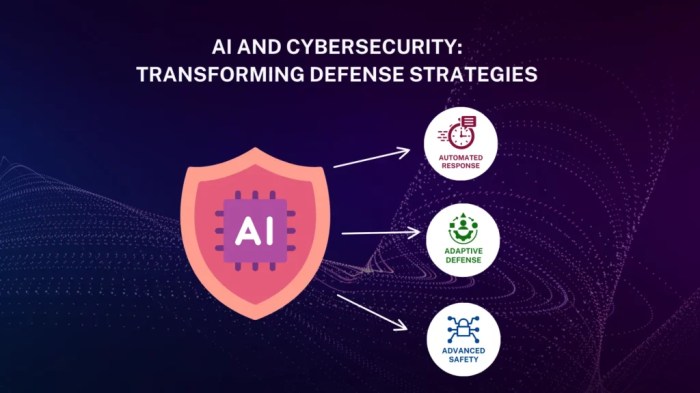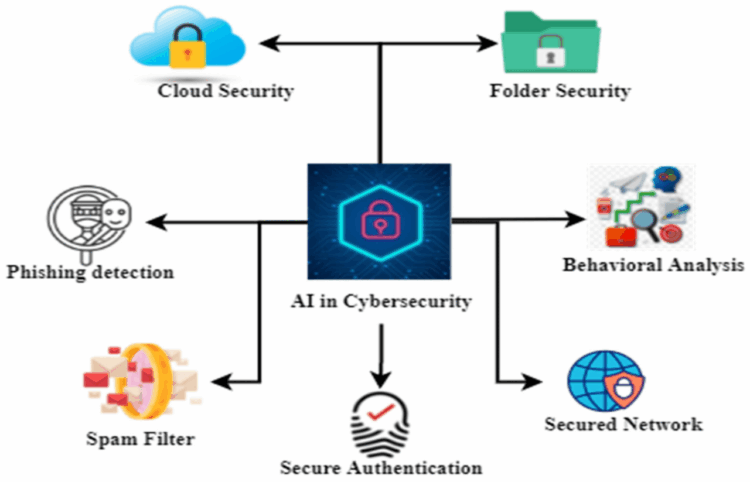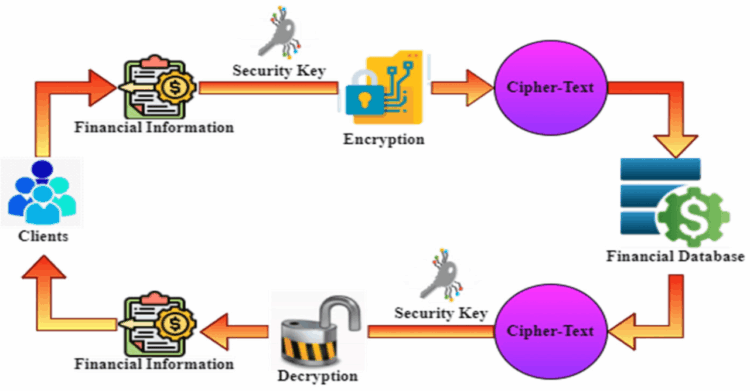
Delving into the realm of Using AI for Cybersecurity: Benefits, Risks, and Real Use Cases, this introduction aims to draw the readers in with a blend of informative insights and intriguing details.
The subsequent paragraph will shed light on the intricacies of the topic at hand.
Benefits of Using AI for Cybersecurity
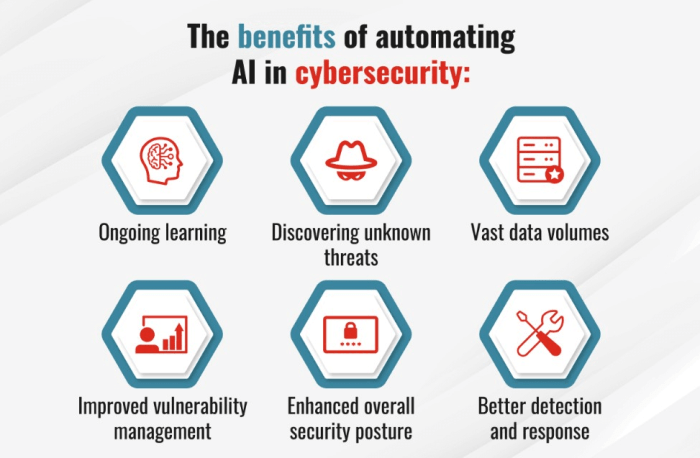 AI technology has revolutionized the field of cybersecurity by enhancing threat detection capabilities, automating routine tasks, and enabling real-time data analysis to prevent cyber attacks.
Enhanced Threat Detection
AI-powered cybersecurity systems have the ability to analyze vast amounts of data in real-time, identifying patterns and anomalies that may indicate a potential cyber threat. By utilizing machine learning algorithms, AI can detect suspicious activities and predict potential security breaches before they occur.Automation of Routine Tasks
AI can automate repetitive tasks such as monitoring network traffic, identifying vulnerabilities, and patching security gaps. This not only saves time and resources but also ensures that cybersecurity professionals can focus on more strategic tasks that require human intervention.Real-Time Data Analysis
One of the key advantages of AI in cybersecurity is its ability to process and analyze data in real-time. This enables organizations to detect and respond to cyber threats immediately, minimizing the impact of attacks and preventing potential data breaches. AI algorithms can continuously monitor network activity, identify suspicious behavior, and take proactive measures to protect sensitive information.Risks Associated with AI in Cybersecurity
AI in cybersecurity comes with its own set of risks and challenges that need to be carefully considered. Let's delve into some of the key concerns surrounding the use of AI in cybersecurity.Potential Vulnerabilities in AI Algorithms
AI algorithms are not immune to vulnerabilities, and hackers could potentially exploit these weaknesses to bypass security systems. One major risk is the possibility of adversarial attacks, where attackers manipulate AI models by feeding them misleading data to make incorrect predictions. This could lead to false positives or negatives in threat detection, ultimately compromising the security of the system.Ethical Considerations of Using AI for Cybersecurity
The use of AI in cybersecurity raises ethical concerns, particularly in terms of privacy and data protection. AI systems may inadvertently infringe on user privacy by collecting and analyzing vast amounts of personal data without consentChallenges of Relying Solely on AI for Threat Detection and Response
While AI can greatly enhance threat detection and response capabilities, relying solely on AI for cybersecurity is not without its challenges. AI systems are only as good as the data they are trained on, and they may struggle to adapt to new and evolving threats that were not present in the training data. Human oversight and intervention are still crucial in verifying AI-generated alerts and making informed decisions in complex cybersecurity incidents.Real Use Cases of AI in Cybersecurity
AI technology has been successfully utilized by various companies and organizations to enhance their cybersecurity measures. By leveraging AI algorithms and machine learning capabilities, these entities have been able to detect and respond to cyber threats more effectively than traditional methods.AI in Detecting and Responding to Advanced Persistent Threats (APTs)
One notable example of AI being used to combat APTs is by Darktrace, a cybersecurity company that employs AI-powered tools to monitor network activity in real-time. These tools can detect anomalies and potential threats by analyzing patterns and behavior across the network. In one instance, Darktrace's AI system identified a sophisticated APT that had gone undetected by traditional security measures, allowing the organization to respond promptly and mitigate the threat before any damage was done.AI in Securing IoT Devices and Networks
Another significant use case of AI in cybersecurity is in securing Internet of Things (IoT) devices and networks. Companies like Bastille Networks utilize AI to monitor and protect IoT devices from cyber threats. By analyzing network traffic and device behavior, AI algorithms can identify suspicious activity and potential vulnerabilities in IoT devices, helping organizations prevent unauthorized access and data breaches.Outcome Summary
Concluding our exploration of Using AI for Cybersecurity: Benefits, Risks, and Real Use Cases, this closing section wraps up the discussion with a concise yet impactful summary.
Clarifying Questions
What are some potential vulnerabilities in AI algorithms that hackers could exploit?
AI algorithms may be susceptible to adversarial attacks, where malicious inputs are crafted to deceive the AI system. This can lead to incorrect predictions or decisions.
How can AI enhance threat detection capabilities in cybersecurity?
AI can analyze vast amounts of data at high speeds to identify patterns indicative of cyber threats, enabling quicker and more accurate threat detection.